World Day for Cultural Diversity 2025

The World Day for Cultural Diversity 2025 update, also known as the Cultural Update of 2025, or simply rephrased as WDfCD 2025, was a seasonal mini update that released on May 17, 2025. Every year, Dress To Impress honors and represents cultures by incorporating certain culturally inspired and specific clothing items, decor, and themes to the game. This update introduced a variety of new cultural items inspired by the following cultures: Japan, Thailand, the Philippines, Scotland, India, Mexico, Spain, Brazil, and Nigeria. The event was first announced May 10, 2025 by BeaPlays on the Dress To Impress Discord Server.

Cultures Represented
Full page: World Day for Cultural Diversity › 2025 › Cultures →

Flag - Philippines Philippines Flag - Philippines

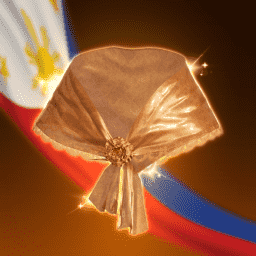
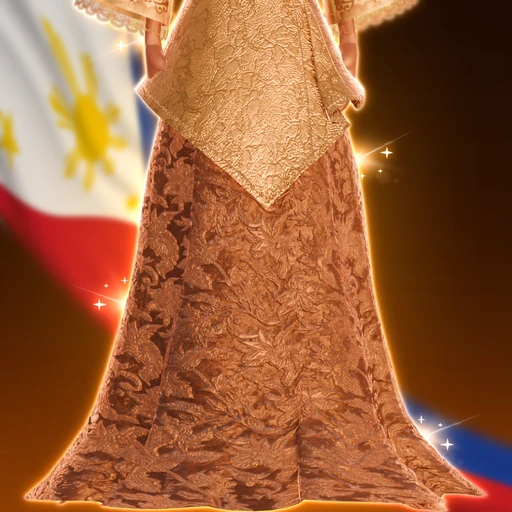
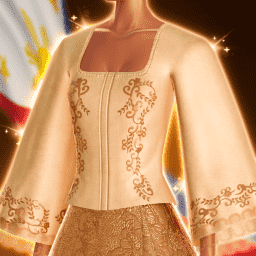
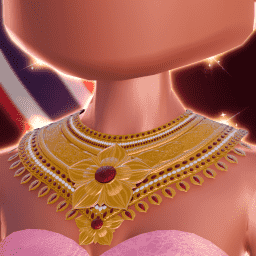
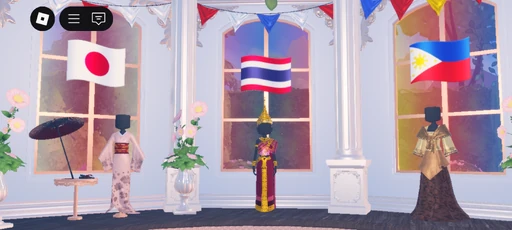
The Baro’t Saya dress, also known as Filipiniana attire, is a traditional dress worn in the Philippines. Its name derives from ancient Tagalog and originates from a blend of pre- and post-colonial influences. Traditionally, it’s made from pineapple fiber called piña, which gives it a lightweight and delicate appearance. The Baro’t Saya quickly became the pinnacle of elegance and grace among upper-class Filipina women. Typically, the gown was composed of four components: the Baro or Camisa (blouse), Saya (long skirt), Panuelo (shawl), and the Tapis, an opaque cloth wrapped around the Saya. Its most recent design left behind the Panuelo and Tapis, now known as the “Terno,” meaning a single, classic Philippine outfit. Throughout its evolution, it remains a steady symbol of Filipino culture and identity!

Flag - Mexico Mexico Flag - Mexico

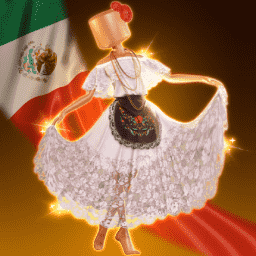
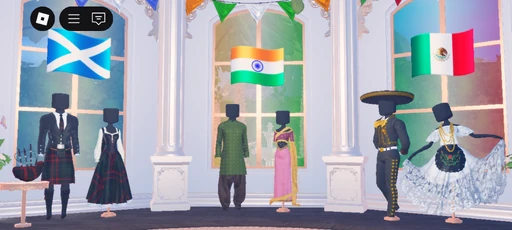
The Veracruz dress, or Jarocha dress, is the traditional dress of the Veracruz state of Mexico, stemming from the “Antigua style” and Spanish influence. Jarocha is also a type of folklórico (folk) dance, where the flowy Veracruz dress is worn by performers. The dress is commonly white, symbolizing a connection to the region's indigenous communities and purification ceremonies. The Veracruz dress pays homage to the geographical features of the state, with its soft movements mimicking the crashing waves along the shoreline. After Mexico gained independence in 1821, additions like a black apron with floral detailing and more ruffles were added to the dress.

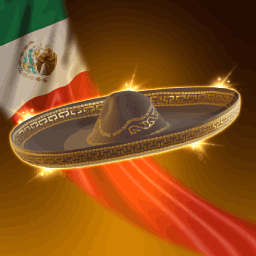
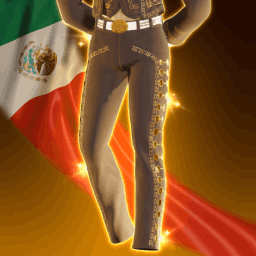
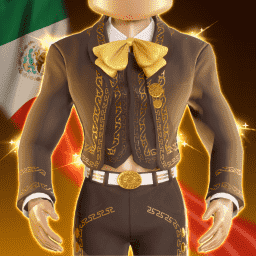
While each state in Mexico has its own typical costume, the Charro is undoubtedly recognized as one of Mexico’s most important cultural outfits. The Charro outfit is an elaborate suit featuring the iconic Sombrero, worn by skilled equestrians and folkloric dancers. Charreada, known as the heart of Charro culture, is a traditional sporting event showcasing skills like bull-riding, roping techniques, and horse handling. The Charro costume represents a rich history of Mexican horsemanship, resilience, and honor.

Flag - Scotland Scotland Flag - Scotland

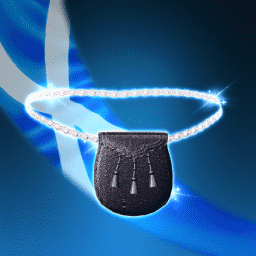
The Kilt has a long history dating back to the 16th century. Fèileadh mòr, or Great Kilt, was the original name and style of what we now know as the Modern Kilt, or Small Kilt. One of the Kilt's most notable features is its unique pattern, called Tartan. Tartan consists of symmetrical patterns known as Setts. Scottish families are known to have their own unique patterns to represent their clans and heritage, while organizations, schools, and districts do the same. In modern society, Kilts are usually worn for formal events, the Highland Games, and Hogmanay (Scottish New Year). The Traditional Highland Dress of Scotland represents the country’s pride, resilience, and heritage. Traditional attire includes a Kilt, Sporran (pouch), and accessories like a Tonnag (sash). While the famed Bagpipe didn’t originate in Scotland, it was further developed by Scottish Highlanders. Once used as an instrument of battle cries during the 17th century, Bagpipes are now commonly played during ceremonies, celebrations, and major events!

Flag - Brazil Brazil Flag - Brazil

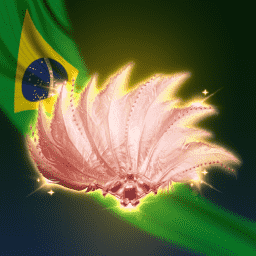
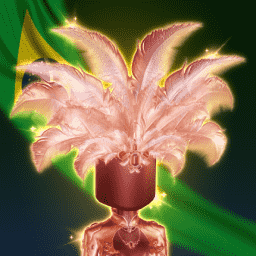
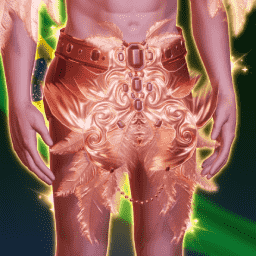
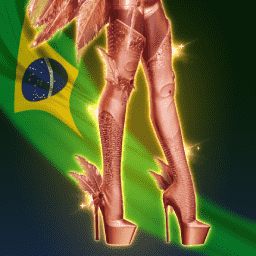
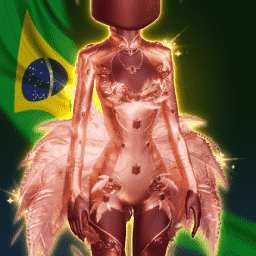
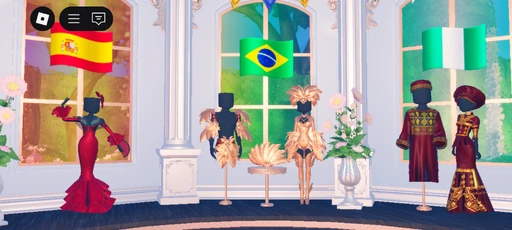
Brazil's famous Rio de Janeiro Carnival has a rich history, deeply connected to Samba—a lively musical genre and dance with African roots blended with Brazilian and Indigenous culture. During the 1920s, Samba became increasingly popular, starting as a form of expression during small gatherings and eventually evolving into formal associations now known as Samba Schools.

The Sambadrome was built in 1984 and became the epicenter of Rio Carnival, where all 12 Samba Schools perform and showcase their dazzling costumes. Originally inspired by European masquerade balls, Carnival costumes evolved over time to reflect Brazil’s diverse cultural mix. Bright colors, feathers, and distinctive beadwork represent Afro-Brazilian culture. Most costumes tell stories, with symbolic designs highlighting topics such as environmental conservation, equality, wildlife, and more!

Flag - Thailand Thailand Flag - Thailand

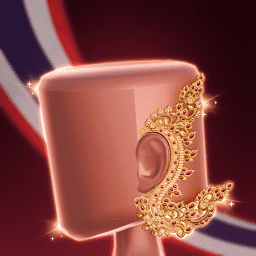
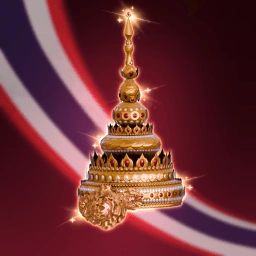
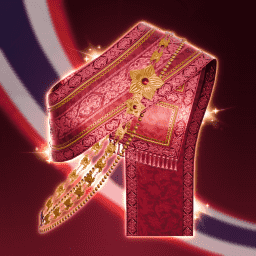
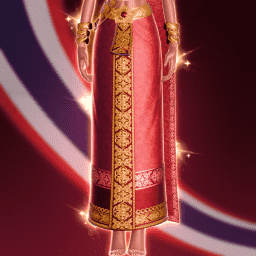
Thailand's renowned national dress, Chut Thai, has eight distinct styles. The Ayutthaya Era (1351–1767) has influenced the fashion of Central Thailand for nearly 200 years, with the most notable remnant of that era being the Sinh skirt (ankle-length tube skirt). Furthermore, the most influential figure in Thai fashion history is Queen Sirikit. Her Majesty revolutionized and reinvented traditional Thai fashion during the 1960s, when she, along with her team of designers, created the eight Chut Thais. She single-handedly revived the Thai silk trade after visiting rural villages in the 1950s where silk weaving was still practiced, persuading farmers to cultivate and harvest silk for use by weavers. This same exquisite silk was then used to create the Chut Thais. The Chakraphat is one of the most famous Chut Thais and also the most fanciful. It’s worn mainly during royal banquets and formal dinners, featuring two Sabais (shawls/scarves), detailed embroidery, extravagant gold jewelry, and a Makuta (crown). In Hinduism, the Makuta symbolizes a divine connection between humans and the higher realm. The Makuta headdress is used as a crown in Southeast Asian monarchies including Thailand, Cambodia, Indonesia, Malaysia, and more. Overall, the rebirth of Thai fashion has become an important symbol of identity and continues to embody Thailand's rich and diverse history!

Flag - Nigeria Nigeria Flag - Nigeria

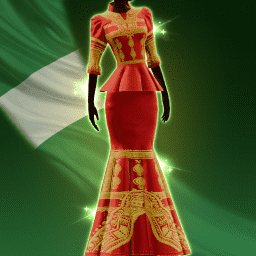
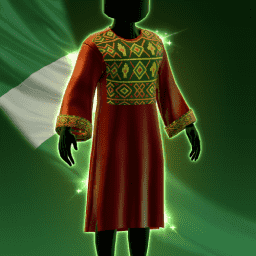
The Dashiki is a colorful garment originating in West Africa. While its exact origins are unclear, the term "Dashiki" derives from the Yoruba word “Danshiki.” In its modern form, the Dashiki rose to popularity in the United States during the 1960s, becoming a symbol of heritage, resistance, and cultural pride for African Americans. Similar tunic-like garments have been dated as far back as the 12th century in West Africa. Yoruba is one of the largest ethnic groups in Africa, predominantly found in Nigeria, Benin, and Togo.

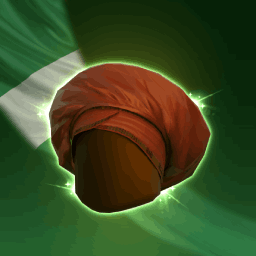
The Gele is a headwrap worn primarily by women in Nigeria and West Africa. Traditionally, the way it was tied indicated marital status: worn to the right for married women and to the left for single women. By the 20th century, the Gele had evolved into an elegant fashion statement for special occasions, continuing to represent beauty, femininity, and maturity.

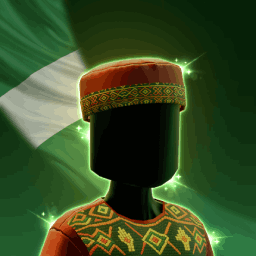
In West Africa, the Kufi Cap, also known as Kofia, is a brimless hat worn across the diaspora. Specifically in the West African region, the Kufi has various styles. The “Crown Style” is often worn with a Dashiki suit, while knitted Kufis are used for more casual occasions. The Kufi Cap symbolizes wisdom, faith, and cultural leadership, typically worn by elder men to signify their respected status in the community.

Flag - Spain Spain Flag - Spain

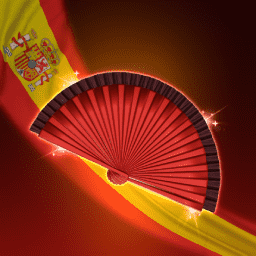
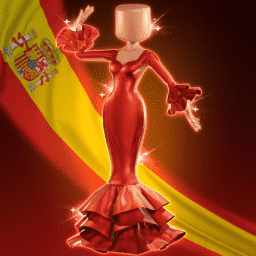
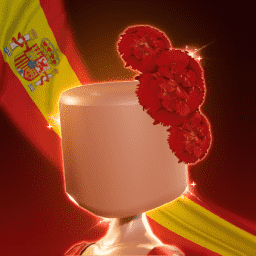
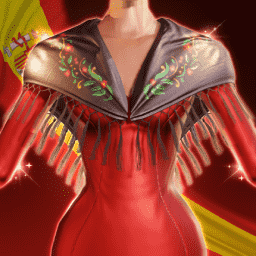
The Flamenco dress originated from the people of Andalusia, Spain. Dating back to the 18th century, it was originally popularized by commoner women during the April Fair for cattle in Seville. It later became a sign of high society for the wives of cattle dealers, eventually becoming the official dress to wear during the fair. Since its inception, the brightly colored Flamenco dress has evolved over time, with each year bringing new fabrics, designs, and accessories. During the 19th century, the Flamenco dress began to spread worldwide and became closely associated with the passionate Flamenco dance. Flamenco includes song (cante), guitar playing (toque), and dance (baile). Dancers often accessorize with a dazzling flower in their hair, a fan, shawl, and jewelry. Today, Flamenco culture is celebrated across the globe, including in New Mexico and several Latin American countries!

Flag - India India Flag - India

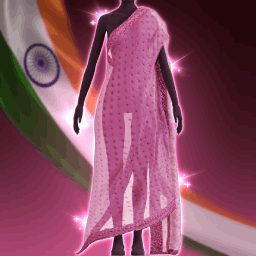
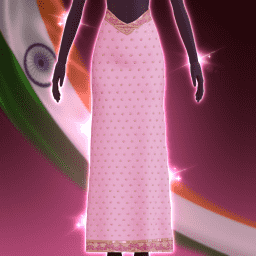
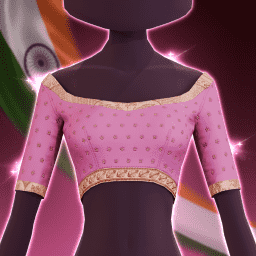
The earliest depictions of the Indian Sari or Saree trace back to around 2800–1800 BCE during the Indus Valley Civilization. Ancient sculptures and paintings depict women draped in attire similar to the modern Saree. Each region of India has its own unique Saree fabric and draping style, with over 100 variations across the country. The Saree represents cultural pride, tradition, and female empowerment. Sarees also convey messages through color—red symbolizes love and passion, making it popular for weddings, while white symbolizes purity and is worn during mourning or ceremonies. Traditional Indian women’s attire includes a Saree, Choli (cropped blouse), and Lehenga (ankle-length skirt).

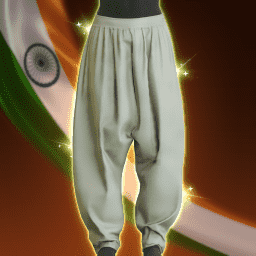
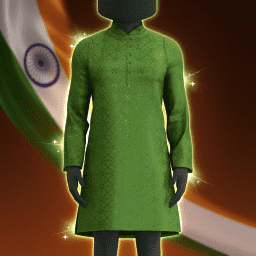
The Kurta is also an important symbol of Indian heritage, closely tied to India’s independence and freedom movement. A tunic-like garment primarily worn by men, it dates back to ancient India. During the 15th-century Mughal period, the Kurta became royal attire. Today, it is worn for celebrations, festivals, and daily life!

Flag - Japan Japan Flag - Japan

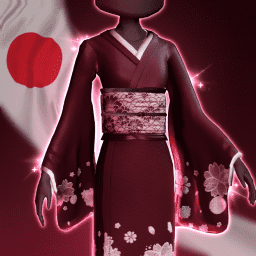
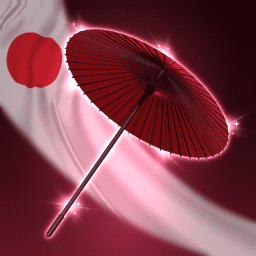
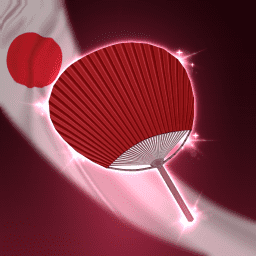
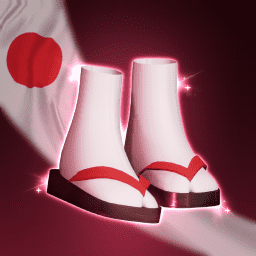
The long history of the Kimono can be traced back to the Heian period (794–1185) in Japan. During this time, the Kimono evolved from a simple garment into the intricately layered attire seen today. While there is no definitive number of Kimono types, there are several styles based on occasion, weather, and region. The Tomesode Kimono, from the Edo period (1603–1868), evolved from the Kosode, which was the forerunner of all modern Kimonos. The Tomesode is notably worn by married women to reflect their status in social settings. Its most distinguishable feature is the placement of patterns, which are located primarily below the waist. These designs often include elements of Japanese biodiversity like bamboo, plum blossoms, cherry blossoms, pine trees, and scenes from traditional tales.

The Obi is a large sash worn with Kimonos, both decoratively and functionally, used to secure garments at the waist. There are several Obi types, each serving a unique purpose. Among the many styles, the Taiko-Musubi is still widely used. It was invented over 200 years ago by a group of Geisha who wore it during the opening ceremony of the Taiko-Bashi bridge. Kimonos represent Japan’s deep-rooted respect for tradition, honor, and integrity!

Content › Items (42)

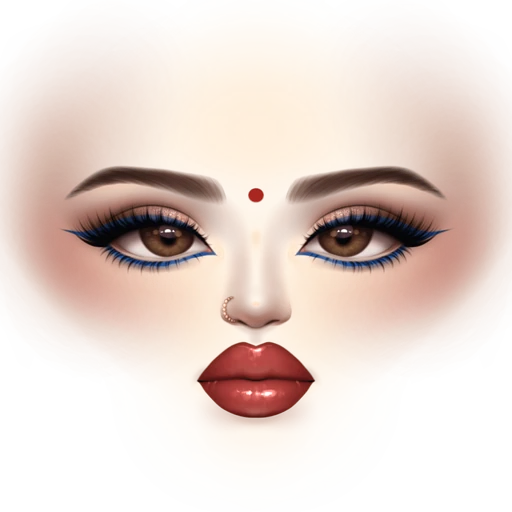
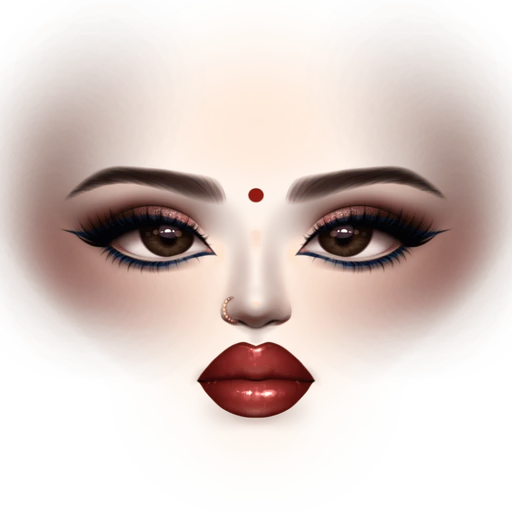
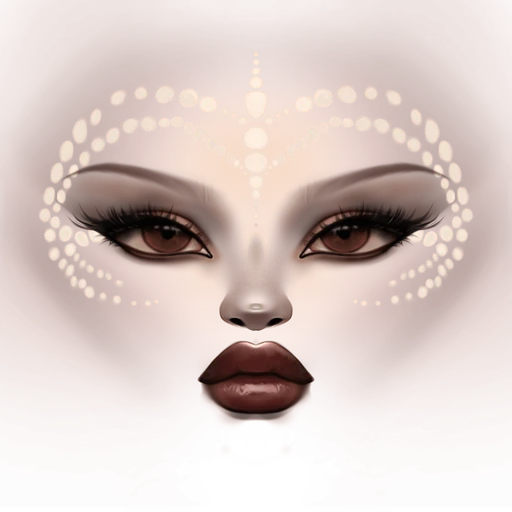
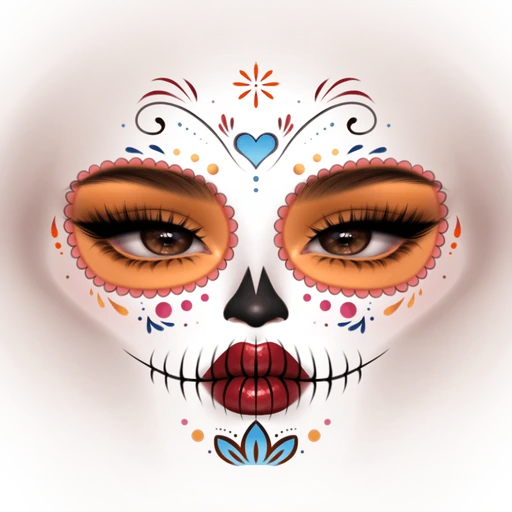
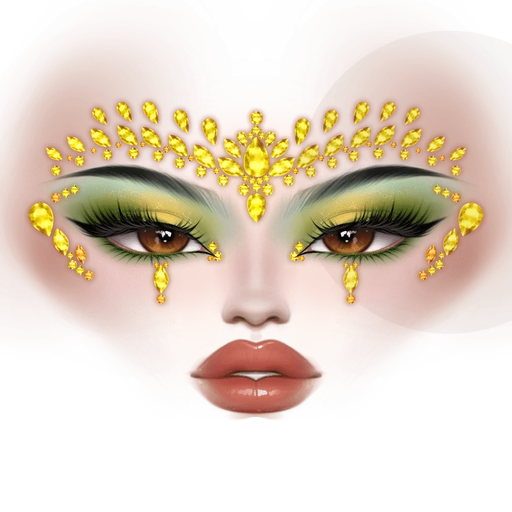
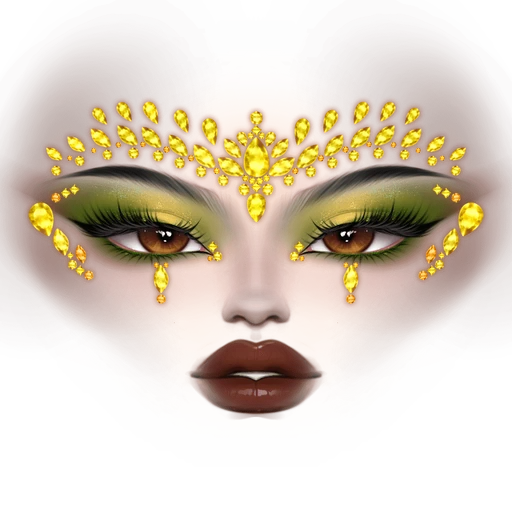
Content › Makeup (7)

Full page: World Day for Cultural Diversity › 2025 › Makeup →

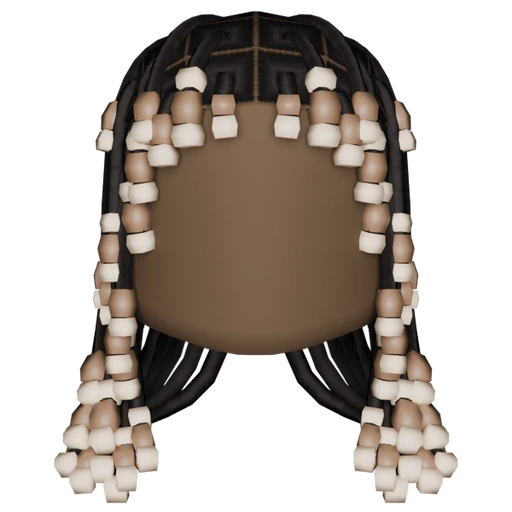
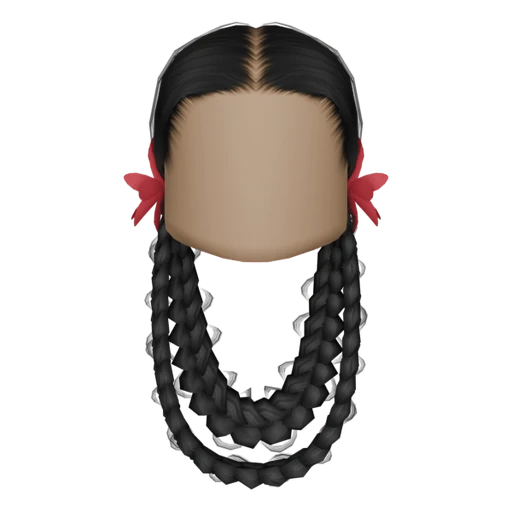
Content › Hairstyles (9)

Gallery › Map

Entrance
Entrance
Japan, Thai & Philippines Sets
Scottish, Indian & Mexican Sets
Spanish, Brazillian & Nigerian Sets
Exit
Exit

Trivia

Before the update launched, the game icon was changed to various timestamps such as 1 hour, 30 minutes, etc, with the icon being faded out in the back. A game thumbnail from Summer 2024 was updated with censoring on some of the tops. In the testing version, the flags above each set were emojis rather than a drawn image.